.svg)
Stable Inspection Conditions
Controlled LED illumination provides a defined lighting environment for visual glass inspection.
.png)
CM-LED
CM-LED provides stable, high-contrast LED illumination to improve the visibility of bubbles, inclusions, seeds, scratches and other visible defects during glass quality inspection.
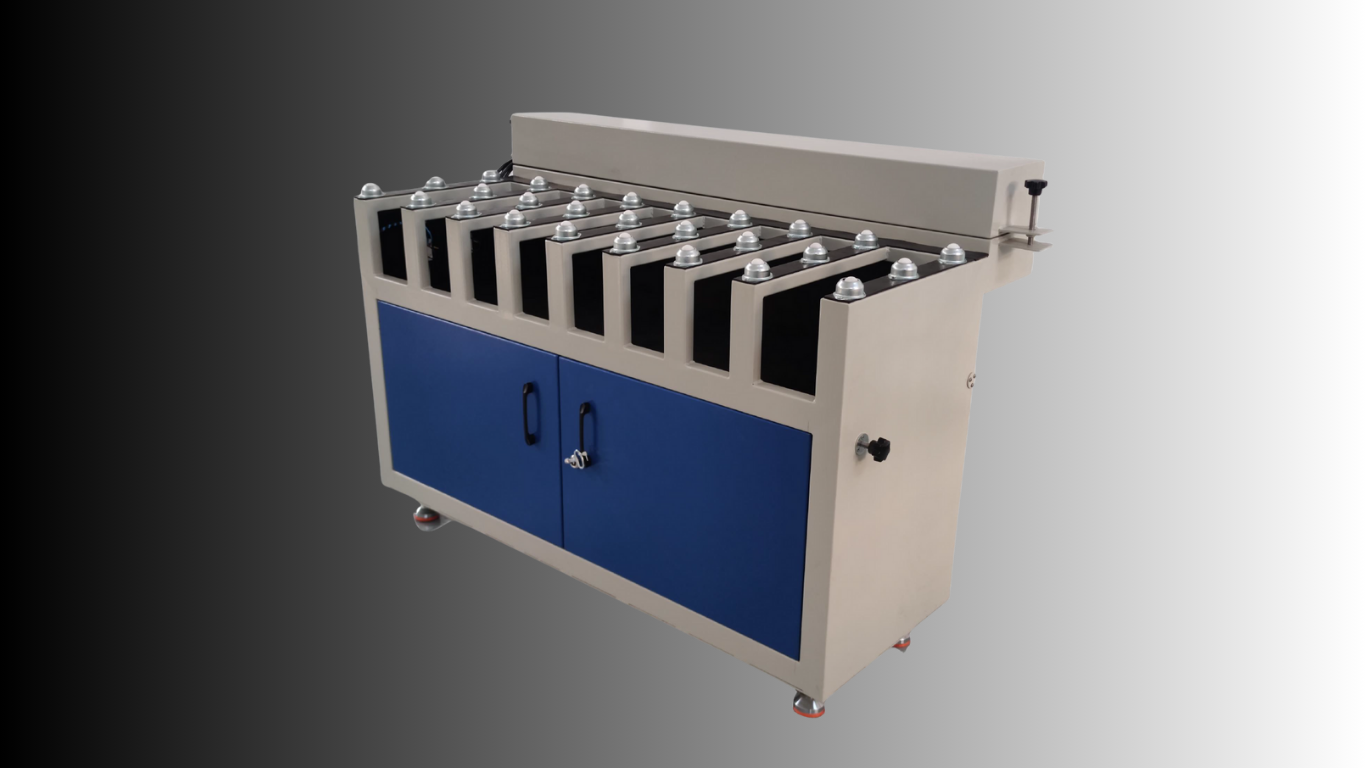 Controlled edge illumination
Inspection Value
Visual defect inspection can vary significantly with lighting conditions. CM-LED introduces controlled illumination to improve defect visibility and provide a more consistent environment for visual glass evaluation.
Controlled LED illumination provides a defined lighting environment for visual glass inspection.
High-contrast illumination helps operators identify bubbles, inclusions, seeds, scratches and other visible imperfections.
Use more controlled illumination conditions when comparing glass samples and production output.
Inspection Scope
CM-LED supports visual inspection by making visible defects easier to observe under controlled edge-light or front-surface illumination conditions.
Scratches and other visible surface imperfections.
Bubbles, seeds, inclusions and other visible internal defects.
Observation of defects visible through glass edges or illuminated cross-sections.
Inspection of flat glass, tempered glass, insulating glass and laminated glass.
Inspection Workflow
The inspection process uses controlled LED illumination to make visible defects easier for an operator to assess.
Place the glass sample in the appropriate inspection position.
LED light is introduced through the glass edge or configured inspection direction.
Defects and imperfections scatter or interrupt transmitted light, increasing visual contrast.
The operator evaluates the glass under controlled illumination conditions.
System Capabilities
The CM-LED uses high-brightness LED edge illumination to reveal internal and surface defects of glass through light scattering.
The CM-LED Edge Light Inspection System is designed in accordance with GB11614 Flat Glass standards.
Application Review
Speak with LUARI about your glass type, inspection conditions and quality-control requirements.